With faces submerged in bowls of ice cubes and graceful wipes captured on smartphone screens, the ice facial routine has transformed into a viral sensation on TikTok and Instagram. Celebrities such as Hailey Bieber and Bella Hadid have embraced this frosty face ritual, making it a must-try in American skincare routines. The concept is as straightforward as it is astonishing: dip your entire face into ice-cold water for a few seconds for an instant wow factor.
Embraced by a legion of beauty influencers, this practice promises a toned, radiant, and revitalized complexion. Advocates tout it as a miracle cure for skin, offering “detox” effects in mere moments, leaving users looking refreshingly spa-like. But what genuinely lies behind this chilly trend? Before you test it out at home, it’s wise to explore the scientific perspective and dermatological insights.
The Allure of Ice Facials on Social Media
Popularized in the United States, the ice facial quickly spread across TikTok under the hashtag #icefacial. Stars like Hailey Bieber have incorporated it into their beauty routines, elevating this method to an aesthetic staple in just a few posts. Its appeal is rooted in both its ease of execution and the instant visual effects it delivers. Dipping one’s face in a bowl of icy water creates a striking visual contrast on-screen, further enhanced by flawless framing and a universally appealing promise: rejuvenation made easy.
The cold stimulates an adrenaline and cortisol surge, producing an invigorating wake-up call. Influencers interpret this as a more “alive” and radiant complexion, sans filters. “When you plunge your face into ice water, the shock effect triggers an inflammatory response that can temporarily boost circulation and diminish swelling,” explains an expert.
What Does Science Say About Ice Water on Skin?
From a physiological standpoint, extreme cold induces vasoconstriction: blood vessels shrink, leading to a temporary reduction in inflammation. This may have a noticeable impact on under-eye bags, redness, and dark circles. However, the effects end there. “There’s not enough robust clinical data to confirm any long-lasting dermatological benefits,” warns a specialist.
Experts also emphasize potential risks. “Cold can reduce inflammation and be beneficial for redness or rosacea, but prolonged exposure may damage the skin barrier,” cautions a dermatologist. A common recommendation is, “Use a cloth between the ice and skin to avoid irritation,” especially for sensitive or dry skin types. Skin dehydration, tightness, and irritation are possible side effects if the practice is overdone.
Should You Try It at Home? Expert Recommendations
The ice facial isn’t without merit if practiced in moderation. A brief immersion of less than 30 seconds, performed no more than two to three times a week, is generally advised. Skin professionals note that “the key is to avoid extreme thermal shocks and to always hydrate the skin afterward.”
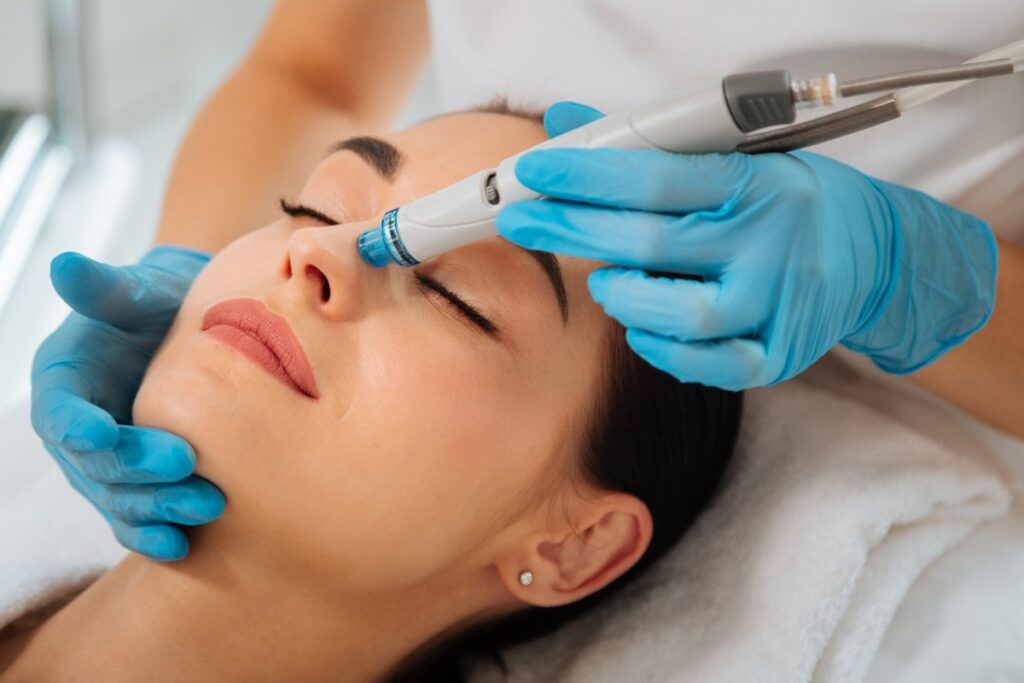
Some facial cryotherapy treatments available at skin institutes provide a safer environment for this practice. At home, opting for gentler alternatives—like a cool jade roller, thermal mist, or even just a fresh cloth—can replicate some visual benefits without assaulting your skin.
In conclusion, if you’re tempted to mimic your favorite influencers by diving your face into a bowl of ice water, it’s essential to understand what you’re getting into… or you might prefer a less extravagant yet equally effective approach.
FAQ – What You Should Know About Ice Facials
1. Is it necessary to use ice or can cold water suffice?
Chilled water alone is effective for toning. Ice cubes heighten the sensation but also increase the risk of skin irritation.
2. When is the best time to perform an ice facial?
Morning is often recommended to awaken the features, but it can also be beneficial in the evening to soothe the skin after a hot day or workout.
3. Can you apply moisturizer immediately after an ice facial?
Yes, in fact, it’s encouraged. A hydrating or soothing cream can calm the skin after the thermal shock and reinforce the skin barrier.
4. Does cold water truly tighten pores?
While it may give that impression, the effect is temporary. Pores don’t actually close; their appearance is altered for a few hours.
5. Is the ice facial suitable for skin prone to rosacea?
No, this skin type may react strongly to extreme cold. It’s best to avoid this practice or consult a dermatologist beforehand.