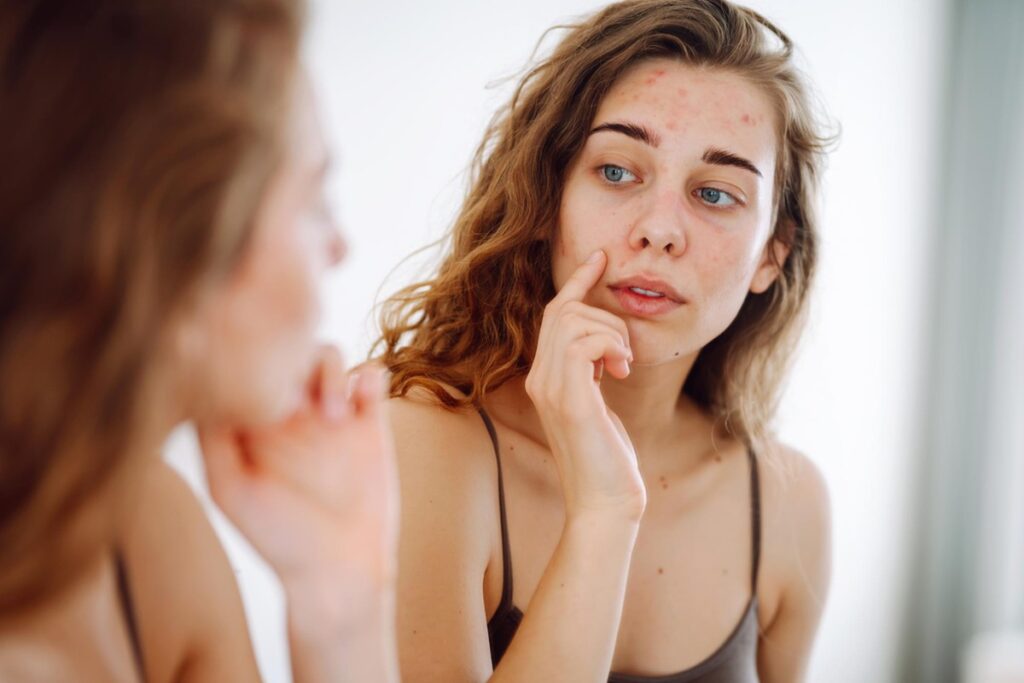
Acne breakouts are those unwanted visitors that seem to appear at the worst possible times, leaving many of us feeling frustrated. Even when we try our best, some common habits may exacerbate these breakouts or slow down their healing process. Whether it’s innocuous gestures or unsuitable routines, we can sometimes find ourselves with more imperfections despite our efforts.
Before you invest in that miracle product, it’s crucial to know which mistakes to avoid. Often, simply correcting these small habits is what allows our skin to stabilize, breathe, and regain its natural glow. Here are five common pitfalls to eliminate today to help you manage your breakouts effectively.
1. Over-cleansing Your Skin
One of the classic blunders is believing that washing your face multiple times a day effectively removes impurities and bacteria. In reality, excessive cleansing can irritate the skin barrier, dry out the skin, and prompt the sebaceous glands to produce even more oil, worsening your imperfections.
The better approach? Cleanse your face twice daily with a gentle product suited to your skin type. Avoid harsh scrubs or excessive rubbing. A balanced complexion is the first step toward controlling breakouts.
2. Picking or Touching Your Pimples
It’s hard to resist the temptation to touch or pop a pimple. However, these actions encourage bacteria to spread, increase inflammation, and can lead to unsightly scars. Even if you think you’re hastening healing, you often end up making it worse.
Instead, try a targeted anti-blemish treatment, like a patch or sulfur-based formula. Let your blemish heal naturally without interference, and your skin will thank you for it.
3. Using Harsh Treatments
In the pursuit of perfect skin, many people turn to harsh, stripping products that contain alcohol, mistakenly believing that stronger is better. Unfortunately, these remedies can dehydrate your skin, worsen redness, and trigger rebound oiliness.
Opt for gentle, soothing products designed for sensitive, acne-prone skin. Ingredients like niacinamide, salicylic acid, or sulfur are effective without being aggressive.
4. Neglecting Moisture
Many assume that moisturizing acne-prone skin will weigh it down or contribute to new breakouts. This is a common misconception. Well-hydrated skin is better protected, less prone to irritation, and achieves a natural balance more readily.
Choose lightweight, non-comedogenic creams, and hydrate morning and night. This helps soothe redness and improve skin texture.
5. Not Protecting Against the Sun
Many people mistakenly view the sun as a temporary ally against acne due to its drying effects. However, unprotected sun exposure causes skin inflammation, increases the risk of dark spots, and contributes to premature aging.
It’s vital to use a suitable sun protection every morning, even in winter or on cloudy days. This also helps prevent post-acne marks that can linger for months.
FAQ – All About Acne Breakouts
1. What causes acne?
Acne occurs due to excessive oil production, a buildup of dead skin cells, and bacterial growth in the pores. Hormones, stress, and certain beauty products can also contribute.
2. How can I effectively treat acne?
It’s recommended to use treatments with active ingredients such as salicylic acid, benzoyl peroxide, sulfur, or niacinamide. The key is to have a consistent skincare routine tailored to your skin type.
3. Does diet impact acne?
Yes, certain foods high in refined sugars and dairy can worsen acne in some individuals. A balanced diet can help minimize breakouts.
4. Can I wear makeup with acne?
Absolutely! However, it’s essential to use lightweight, non-comedogenic makeup and make sure to thoroughly remove it each night to avoid aggravating imperfections.
5. When should I see a dermatologist for acne?
Consulting a dermatologist is advisable if your acne is severe, painful, persistent, or leaves scars, to receive appropriate treatment.