In the early hours, it’s not uncommon to feel rested… until the mirror tells a different story. An unmistakable pillow crease etched on your cheek, those stubborn fine lines appearing more pronounced than before, and that slightly rumpled complexion that suggests you didn’t quite recharge overnight. Glancing at the clock, a sigh escapes your lips as a wave of panic rises at the thought of facing the day like this.
At times like these, you may not want to bring out the entire cosmetic arsenal. What you’re searching for is a simple, quick solution that can revive your features without wasting precious minutes—just using your hands and the right technique.
Understanding the Signs of “Wrinkled” or Dehydrated Skin
Before diving into any smoothing techniques, it’s important to understand why your skin may be showing those creases. Unlike deeper wrinkles that come with age, wrinkled skin is often a result of dehydration and loss of firmness. This can frequently be observed upon waking, particularly around the eyes, cheeks, or neck. It doesn’t only affect older skin; young skin can experience this as well, especially after short nights, seasonal transitions, or prolonged exposure to dry air.
The culprits include sluggish circulation, poorly regulated water retention, and crucially, inappropriate application techniques in our daily skincare routines. Yes, how we massage or apply our products can indeed aggravate this issue. Pulling downward, pressing too hard, or stretching without mindfulness—these motions can leave their mark. Hence, the rise of a counter-movement that is as intuitive as it is straightforward.
Massaging “Against the Grain”: Techniques for Smoothing Features
This approach can be distilled into one principle: lift what time has pulled down. Instead of following the natural creases of the wrinkles, some facialists advocate for a technique that “opens” the folds, visually restructuring them through a reverse motion. How does this work in practice?
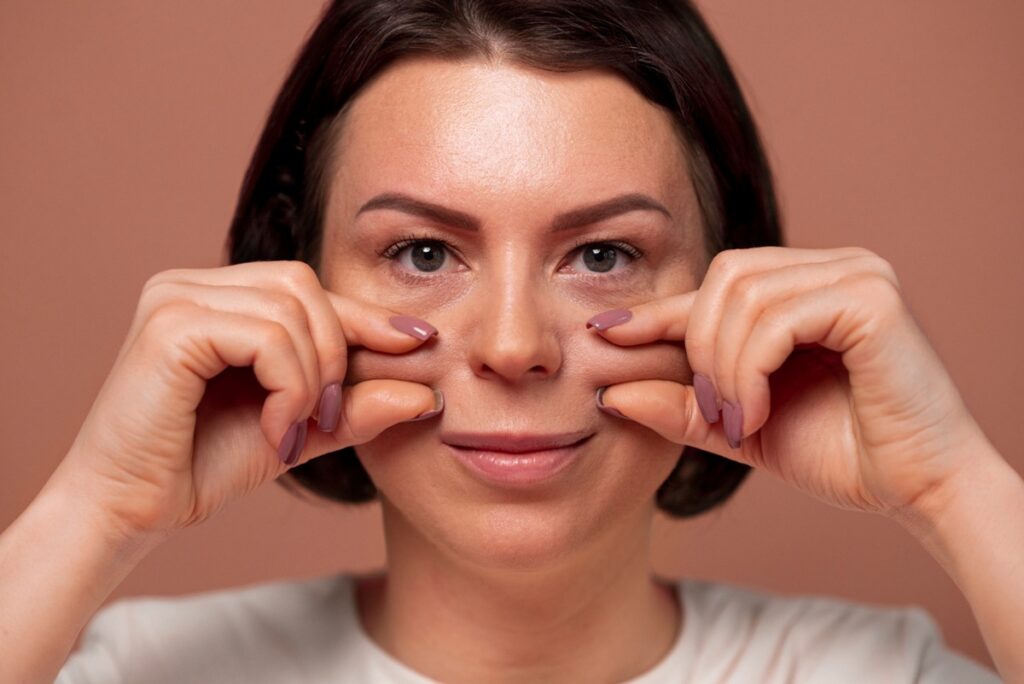
For the frown lines: Position two fingers on either side of the crease and gently press outward, as if to “stretch” the line in the opposite direction.
For nasolabial folds: Start at the base of the line (near the lips), and glide upward, following the curvature of your cheekbone.
For forehead lines: Rather than pressing down or massaging horizontally, move vertically upward towards the hairline.
This isn’t about exerting pressure; it’s about the direction. This gentle retraining of the skin’s memory serves to redefine the contours, almost sketching a new outline for your face. The effects can sometimes be evident in mere seconds: smoother skin, a more rested gaze, and an immediate sense of freshness.
Why This Technique Works and How to Incorporate It Daily
This style of massage fits seamlessly into a broader approach to facial care. By stimulating the tissues in the appropriate direction, you not only enhance blood circulation but also promote lymphatic drainage, reducing puffiness and revitalizing your glow. The result? An immediate smoothing effect that is visible and can be lasting if practiced regularly.
To make this reflex part of your routine:
Touch less, but touch better: There’s no need to massage for ten minutes; two well-directed passes are sufficient.
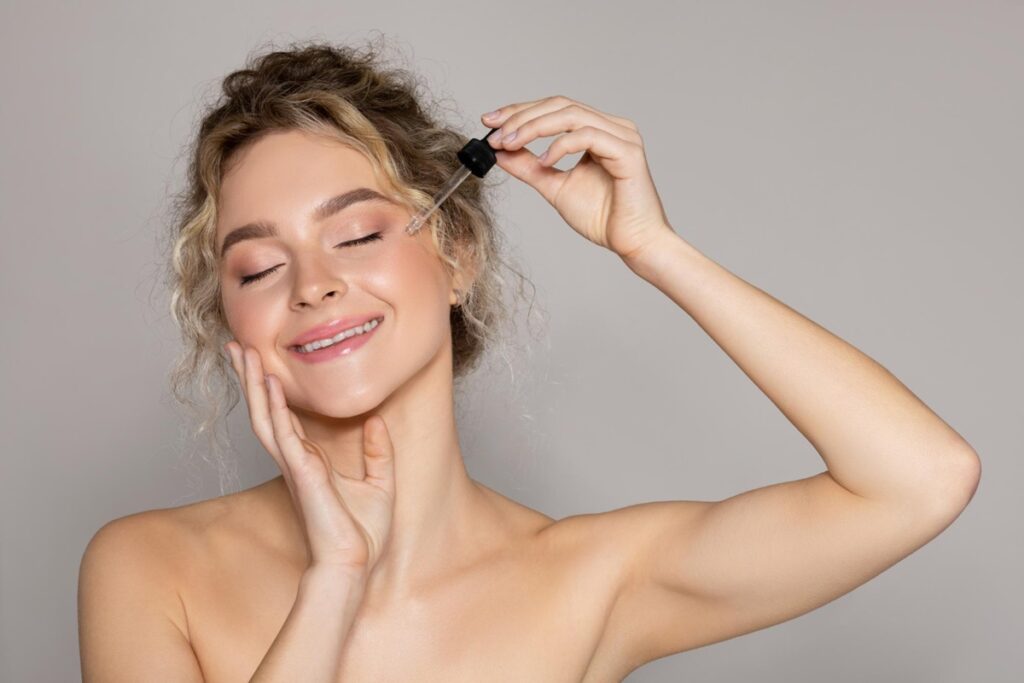
Work on slightly oiled skin to avoid pulling.
Be consistent: 3 to 4 times a week can make a difference.
This isn’t a trend or magic solution. Sometimes, it’s in the unexpected simplicity that we find the greatest surprises.