Drinking water: this seemingly mundane habit could very well be the most underestimated anti-aging tool at our disposal.
Why? Because hydration works silently, where cosmetics often fail to deliver on their promises.
The signs of dehydration: a tired complexion
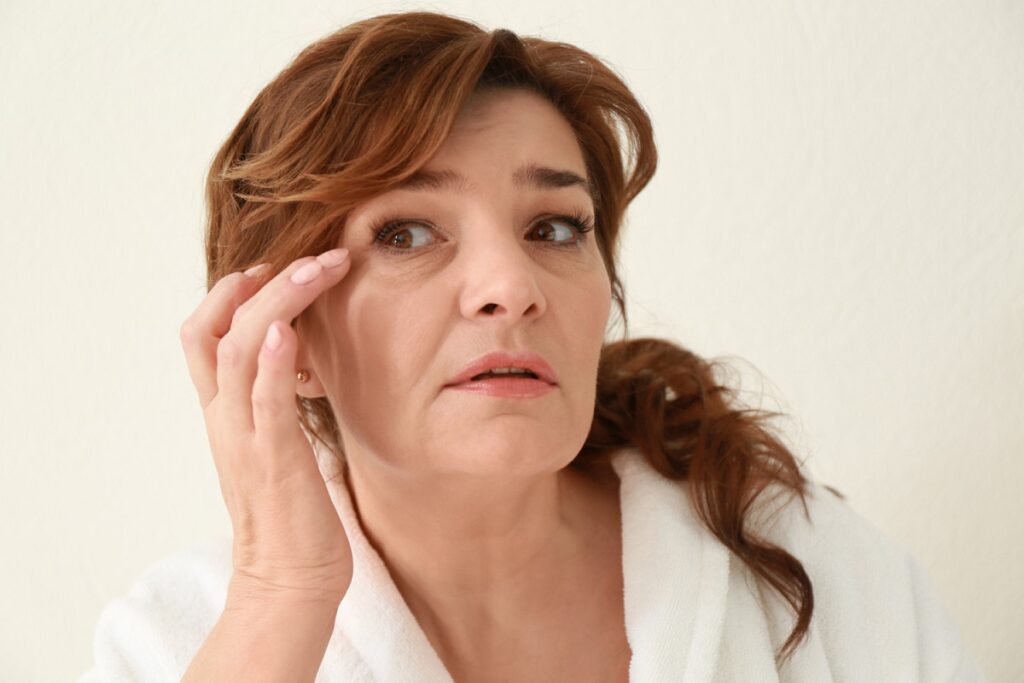
Waking up with a wrinkled face, pronounced features at just 30 years old, and a nagging feeling that you look a bit worse than normal?
Instead of digging through your makeup bag or searching for that miracle 80-dollar cream, consider what you’re not drinking. The culprit might just be the absence of water.
While anti-aging creams have become the go-to solution, water often takes a back seat. This simple, essential, and cost-free practice could be the best defense against visible signs of aging—and it’s precisely because it seems so obvious that we forget about it. To our detriment.
The undeniable link between hydration and skin youthfulness
Do you wake up with a crinkled complexion, experience tightness, or notice features that look a bit strained? Before blaming genetics or your nighttime cream, take a moment to examine your hydration levels.
Researchers and dermatologists have extensively documented the connection between hydration and skin aging. The science is straightforward: well-hydrated skin maintains its elasticity, density, and capacity to regenerate.
The human body is made up of roughly 60% water. Given that the skin is our largest organ, it houses a significant amount of this water.
When dehydration sets in—whether mild or severe—the skin loses elasticity, fine lines become more pronounced, and complexion dulls, leading us to appear fatigued and older much sooner.
Yet, many people don’t consume the recommended 1.5 to 2 liters of water daily. The signs are unmistakable: dry lips, a muddled complexion, and deep under-eye circles.
The multifaceted role of water
But water does more than just plump the skin. It serves as a transporter, delivering essential nutrients to skin cells. Without adequate water intake, collagen production falters, radiance diminishes, and optimal renewal cannot occur.
Hydrating creams and serums undeniably have their place; however, they function on the surface, like a bandage on parched skin.
No cream can substitute for hydration from the inside out. “If you aren’t drinking enough, no topical product can compensate for cellular water loss,” explains Dr. Nina Roos, a dermatologist.
This is where confusion often arises: many believe that slathering on an “ultra-hydrating” cream suffices. It’s akin to attempting to fill a pool with a leaky bucket.
The secret? Consistently sipping water throughout the day. There’s no need to force down two liters at once; the goal is to sip frequently, keep a water bottle handy, and stay attuned to your thirst.
Another common error is substituting water with coffee, tea, or soda. These drinks—especially if caffeinated or sugary—tend to dehydrate rather than hydrate. The result? You may think you’re compensating for lost fluids, but you’re inadvertently worsening the situation.
How water truly slows down aging
It’s not a myth: drinking water visibly slows the onset of wrinkles. Studies have shown that maintaining good hydration levels can improve skin elasticity by 14% and reduce wrinkle depth by nearly 10% within just weeks.
These compelling statistics become rather important when considering the typically high cost of basic anti-aging creams, often exceeding 50 dollars for just 30ml.
Beyond aesthetics, drinking water also helps detoxify the body, boosts kidney and liver functions, and indirectly enhances skin beauty.
A body weighed down by toxins will show symptoms on the face: breakouts, a gray palette, and inflammation. Thus, water becomes a holistic treatment—a cleansing agent that brings out external beauty.
Here’s what you can expect when you prioritize hydration in your daily routine:
- Relaxed facial features upon waking
- Softer under-eye circles
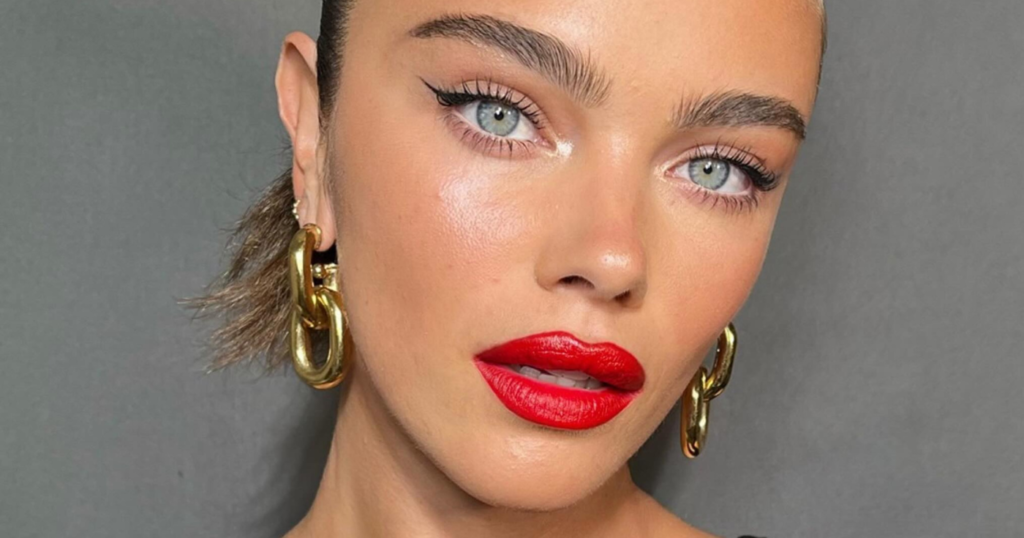
- A luminous complexion without makeup
- Fewer expression lines
- Smoother skin texture
This simple, accessible act could be the real anti-aging revolution we’ve all been waiting for. There’s no need to wait until wrinkles emerge to start. Hydration is a long-term commitment. The earlier you begin, the longer your skin can retain its youthful appearance.