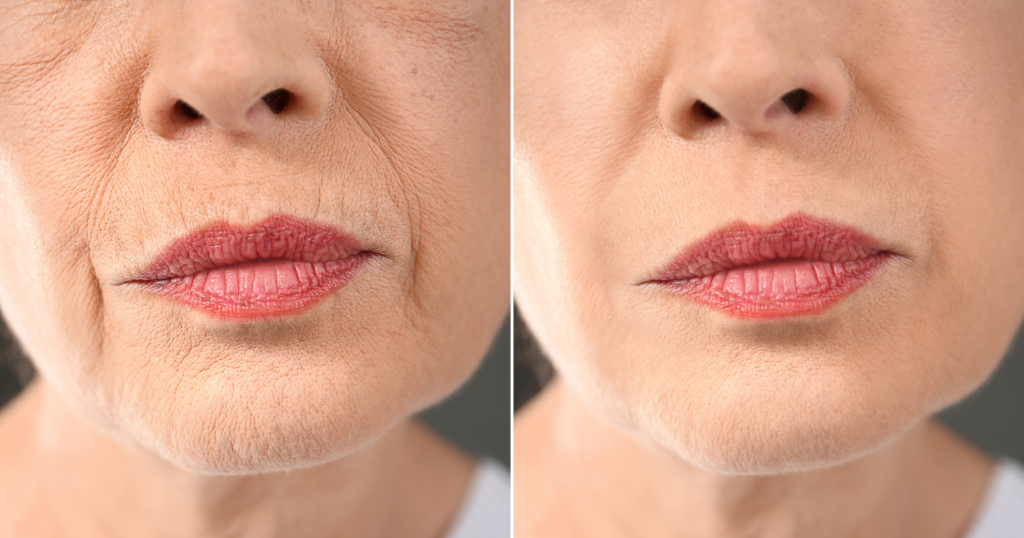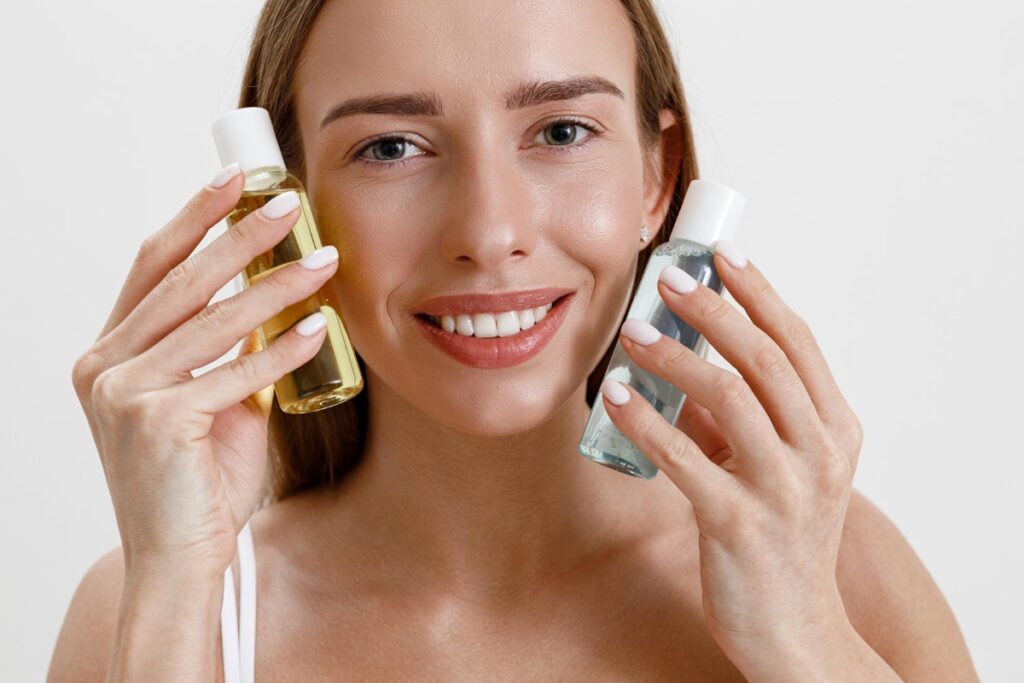
Have you tried everything to get rid of your imperfections? Expensive serums, chemical treatments, abrasive cleansers… The result: your skin still looks unhappy. What if you completely reversed the logic and embraced the natural side of beauty? A lesser-known vegetable oil has managed to make its way into minimalist routines, captivating clean skincare purists along the way.
It’s called black seed oil. It doesn’t have universal appeal at first glance. However, behind its strong aroma lies a concentrated blend of benefits that are hard to ignore when you’re truly ready to say goodbye to breakouts. Its true name? Nigella sativa. Its origin? The Middle East. And its promise? To purify without causing harm. Just that.
The Unknown Powers of Black Seed Oil
Also known as “black cumin,” this oil isn’t gaining its name by coincidence. Black seed oil is extracted from the black seeds of a plant revered since ancient times for its medicinal properties. When applied to the skin, it proves to be a formidable ally against bacteria, inflammation, and even certain infections. In other words, it deeply cleanses your skin without drying it out.
What makes it so powerful is its natural cocktail:
- Thymoquinone, a molecule with potent anti-inflammatory and antioxidant properties
- Essential fatty acids (omega 3, 6, and 9) that nourish the skin and repair the skin barrier
- Vitamins A and E that enhance cellular regeneration and minimize scars
As a result, black seed oil doesn’t just tackle visible breakouts; it improves the overall skin environment by limiting the micro-inflammations responsible for chronic acne flare-ups.
Who Can Use It? Oily Skin, Hormonal Acne, or Post-Shave Imperfections
Good news: almost everyone can benefit from it. Contrary to popular belief, a vegetable oil can be suitable for oily skin, as long as it is non-comedogenic. And that’s exactly the case with black seed oil.
Are you struggling with adult or hormonal acne, particularly around your chin or jawline? Black seed oil can help regulate excess sebum and reduce inflammation without triggering a purging reaction. If you’re a man, and your aftershave causes breakouts, it also has soothing and antibacterial properties that are effective against ingrown hairs.
However, it should be used cautiously on ultra-sensitive skin or skin prone to rosacea, as its active components can sometimes cause irritation. The best approach is to do a patch test on a small area before applying it to your entire face.
How to Incorporate Black Seed Oil Into Your Skincare Routine
There’s no need to overdo it—just a few drops are enough, best applied to clean skin in the evening. You can use it:
- Pure, if your skin tolerates it well
- Mixed with a more neutral oil (like jojoba or hemp) to dilute its potency
- As a targeted serum on problematic areas
Just avoid the eye area and mucous membranes, and remember to wash your hands after applying it: its persistent scent doesn’t wash off easily.
The results aren’t instantaneous, but after two to three weeks of regular use, you may notice fewer breakouts, a more even skin texture, and reduced visible irritation.
Where to Buy Real Black Seed Oil and Avoid Scams
Like all fashionable natural products, black seed oil is not immune to counterfeits. The best advice is to read labels carefully. You should look for “Nigella sativa seed oil” as the primary ingredient, without any added fragrances or preservatives.
Opt for cold-pressed oil, 100% pure and organic, ideally packaged in a tinted glass bottle to prevent oxidation. You can find it at health food stores, specialized websites, or even at some pharmacies.
As for pricing? Expect to pay between $8 and $15 for 50 ml of a quality product. A small investment that could truly transform your skin.