Petroleum jelly, that old jar we keep in a drawer without much thought, has become an unexpected beauty ally for dehydrated skin on TikTok and Reddit.
This trend, called “slugging,” involves applying a thin layer of petroleum jelly as the final step in your nighttime routine. It’s a simple, almost cost-free action that promises glowing and plump skin by morning.
Intrigued by the thousands of testimonials praising its benefits, I decided to try this method for a week without changing anything else in my routine. Here are the results and some surprises I observed day by day.
The Principle of Slugging: Sealing in Moisture
Petroleum jelly does not penetrate the skin; instead, it forms an occlusive layer on the surface, preventing water from evaporating overnight. The result? Hydration remains trapped in the epidermis, which boosts the effectiveness of the products applied underneath (like hyaluronic acid serums or nourishing creams). This method has long been used by dermatologists for very dry or damaged skin.
My Routine Over 7 Days
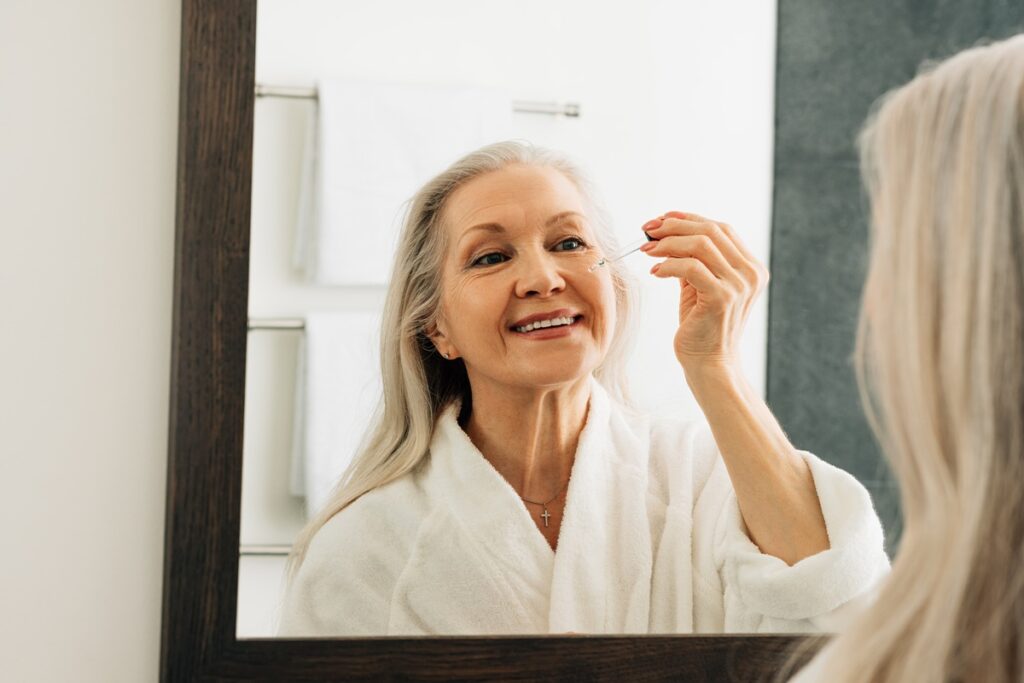
Every evening, after my double cleanse, I applied a hydrating serum, a cream, and then a thin layer of petroleum jelly across my face. Just a pea-sized amount: there’s no need to shine like a deep fryer. I used a dedicated towel to protect my pillowcase since yes, it can be a bit sticky.
Days 1 to 3: Bouncy Skin, Immediate Glow
Right from the first nights, I noticed my skin remained incredibly soft and smooth upon waking. In the morning, my complexion looked more even, and dry patches had vanished. No breakouts to report, even though I anticipated a few. That protective layer really seems to prevent overnight dehydration.
Days 4 to 5: More Comfort, Less Redness
What surprised me the most was the soothing effect: my diffuse redness significantly decreased. I also felt my skin was more “calm,” less reactive to cold or the friction of my pillow. By this point, my skin appeared more resilient, as if its natural barrier had been strengthened.
Days 6 to 7: Impressive Plumping Effect
By the end of the test, the results were undeniable: my skin looked plumper, smoother, and noticeably less fatigued. Even my makeup held up better, as if my skin’s texture had changed. This is an effect I don’t achieve with my usual skincare products, even the pricey ones.
Does It Cause Breakouts?
A big question. For me, no— but beware: petroleum jelly can be comedogenic if misapplied. It should be put on clean skin without excess and avoided if you have active inflammatory acne. Slugging is particularly suitable for dry, sensitive, or dehydrated skin.
Verdict: Shall I Continue or Not?
Yes, but not every day. I now incorporate it once or twice a week when my skin lacks comfort or after sun exposure. It’s become a straightforward and effective SOS gesture that I recommend to anyone looking to rejuvenate tired skin.
Petroleum Jelly: An Underestimated Basic
For a long time, we overlooked it, but petroleum jelly deserves its place in our routines. For just a few dollars, it offers a true “new skin” effect when used properly. Sometimes, the best skincare doesn’t come with a hefty price tag but is the simplest.
FAQ – Slugging and Petroleum Jelly on the Face
1. What is slugging?
Slugging is a skincare technique that involves applying petroleum jelly to the face in the evening, as the last step of your routine, to seal in hydration.
2. Does petroleum jelly hydrate the skin?
No, it doesn’t hydrate directly, but it prevents moisture in the skin from evaporating, enhancing the effectiveness of products applied beforehand.
3. Does slugging cause breakouts?
Not if the skin is properly cleaned first and petroleum jelly is used in a thin layer. However, it is not recommended for very oily or acne-prone skin.
4. What are the benefits of slugging?
Softer skin, a brighter complexion, reduced redness, and improved skin barrier repair.
5. How often can you do slugging?
1 to 3 times a week based on your skin type. There’s no need to do it daily to see results.