In certain specialized centers, facial treatments no longer consist solely of creams or relaxing massages. Instead, they involve repetitive movements, intentional tensions, and sometimes visible contractions. At first glance, this may not seem aesthetic; however, it is indeed a form of treatment. This protocol does not rely on products or devices and is now transmitted in the form of structured exercises, which are increasingly codified.
In recent years, this practice has become established among facialists, physiotherapists, and trained estheticians. It is presented as a complementary method for managing the muscle tonicity of the face. It is not a miracle solution but rather a tool for working on deep tissue, with logic comparable to certain body disciplines.
A muscle-based approach applied to the facial area
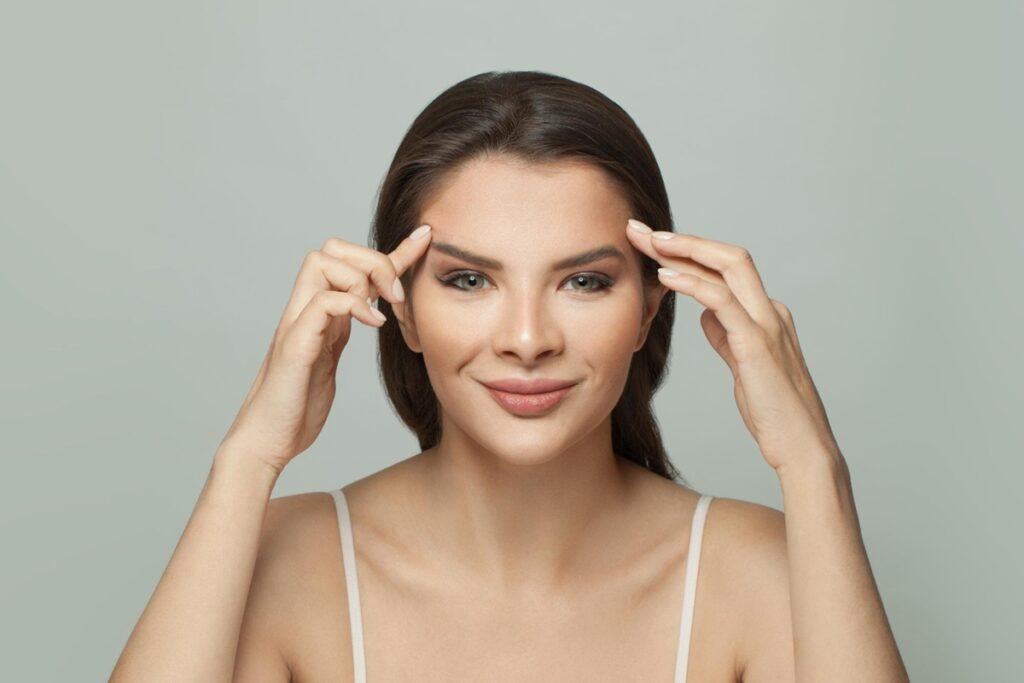
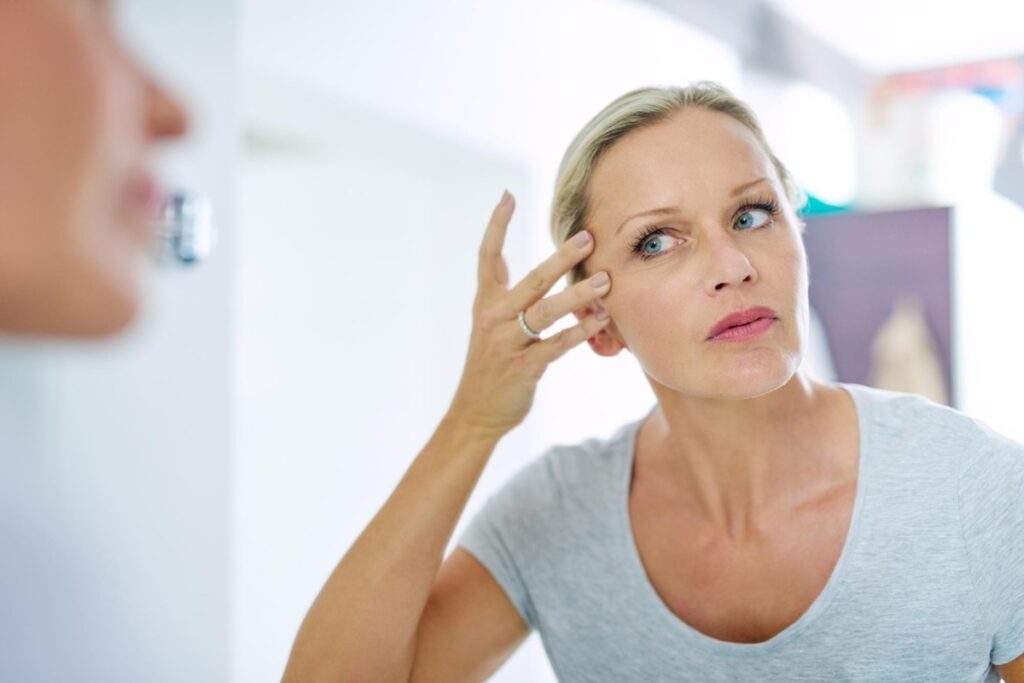
Facial Pilates is a method of exercises aimed at strengthening the muscles of the face, focusing on toning and maintaining tissue integrity. Inspired by the principles of classical Pilates—such as breathing, posture, and deep muscle activation—it adapts these foundations to facial anatomy. The face has approximately forty muscles, some of which are involved in expressions while others help maintain volume. Over time, underuse or relaxation of these muscles can lead to visible loss of firmness, especially around the jawline, eyelids, and cheekbones.
The work consists of targeting these areas through voluntary movements, either through contraction or resistance, often paired with controlled breathing. Unlike cosmetic treatments that act on the surface, this method aims to work deeply, at the myofascial level. Exercises can be performed standing or sitting in front of a mirror, sometimes with the fingers aiding in resistance and sometimes without contact. Some protocols also incorporate work on the neck, cervical area, and overall posture, which are considered influential on facial tension.
A complete professional session can follow a structured protocol of eight steps, alternating manual massage phases, active muscle mobilization, and tissue relaxation. This sequence usually involves a progressive upward approach, from the neck to the forehead, and may include techniques such as intraoral massage, performed with gloves, to target certain deep areas that are inaccessible from the outside.
In this format, the session can last between 45 and 75 minutes, depending on the treated areas and the level of customization. The muscular intensity is real; some individuals report feelings of fatigue or facial soreness after initial sessions, similar to a physical workout.
A regulated practice integrated into certain professional treatments
This approach is not taught in traditional aesthetic training programs but is the subject of specific training, particularly abroad and gradually in France. Several treatment centers now offer individual or group sessions, with protocols adapted according to age, perceived relaxation, and tissue mobility.
Facial Pilates can also be incorporated into a personal routine, provided proper guidance is received. Numerous tutorials are available online, but the quality of these demonstrations can vary. It is advisable to start with a trained professional to avoid inappropriate or counterproductive movements, particularly in sensitive areas around the eyes or neck.
In France, this method is still relatively rare but is beginning to flourish in major urban centers. It is offered in select beauty institutes or specialized offices by practitioners trained in facial muscle techniques. There are also distance learning formats available, with guided modules or virtual sessions. However, supervision is recommended to avoid inappropriate movements, especially in sensitive areas such as the eye contour or jaw.
Why it’s worth noticing today
This type of work particularly appeals to individuals seeking a natural approach, devoid of injections or surgery, to assist with facial aging. It also meets a growing demand for independent methods that can be performed at home but are based on structured bodily logic. Unlike traditional treatments that focus solely on the skin or epidermis, Facial Pilates considers the deep structure as a critical leverage point.
In some cases, it can also be recommended as a complement to other aesthetic or therapeutic treatments. For example, it can help maintain muscular symmetry after medical treatment or rapid weight loss or support post-traumatic rehabilitation (upon prescription). While there is no definitive clinical study confirming its specific long-term effects, it is part of practices explored in some comprehensive facial care protocols.
FAQ – Facial Massage
1. What is the purpose of facial massage?
It stimulates blood circulation, relaxes muscles, aids lymphatic drainage, and can enhance the glow and firmness of the skin.
2. Can facial massage replace anti-aging treatments?
It does not substitute a dermatological treatment but can enhance the effects by promoting firmness and relaxation of features over time.
3. How long should I massage my face to see results?
Just a few minutes a day is sufficient, as long as it’s done regularly. The first effects are generally noticeable after two to three weeks.
4. What is the best time to massage my face?
Evening is ideal after cleansing, as the skin is receptive, and the muscles can relax without immediate stimulation.
5. Should I use oil or cream to massage my face?
Yes, a smooth texture (plant oil, serum, balm) minimizes excessive friction and facilitates the movements without irritating the skin.