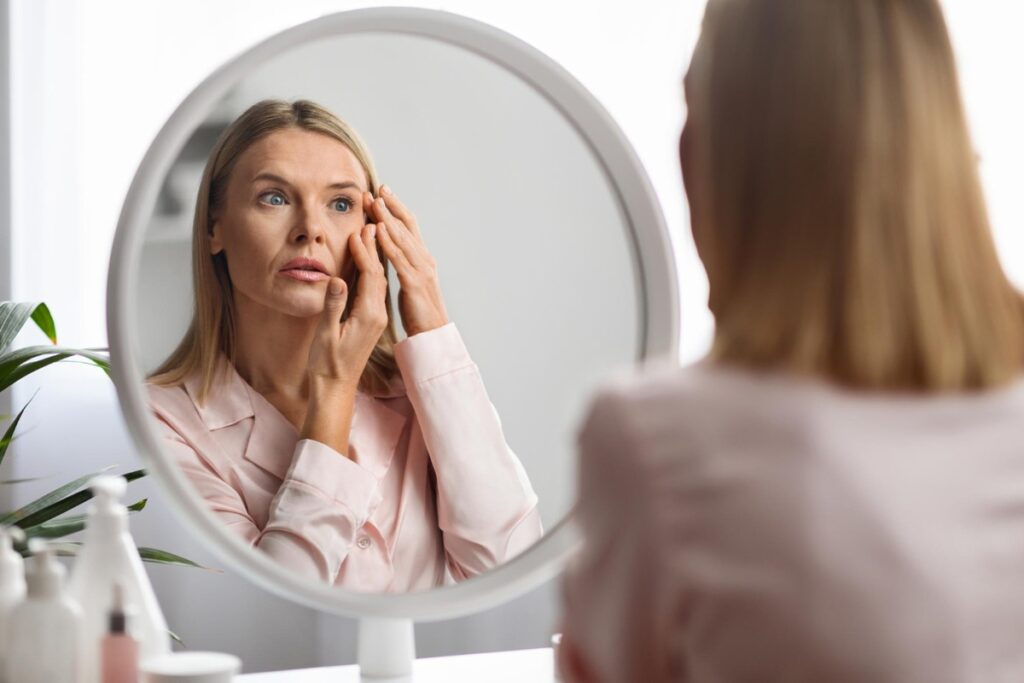
Let’s face it: not all solutions labeled as “anti-aging” are as effective and safe as they seem. Behind the allure of miracle treatments lie risks that can be surprising. In this article, we delve into some popular anti-aging procedures that may not be as beneficial as they appear, and in fact, could compromise your skin.
The Risks of Aggressive Laser Treatments
According to Dr. Amir Karam, the use of high-powered or excessively frequent lasers can lead to thinning of the skin and impair its natural regenerative abilities. He warns, “Strong lasers can thin the skin over time and reduce its ability to heal naturally.”
The outcome? A compromised skin barrier which may result in dryness, increased sensitivity, and diminished protection against sun damage. Instead, consider opting for fractional lasers spaced out over time or non-ablative alternatives that stimulate collagen production without requiring intense downtime.
Dangers of Overused Fillers
While dermal fillers can restore lost volume, overuse can actually distort the natural contours of the face. Dr. Karam explains, “Too much filler can stretch the skin, leading to puffiness and an unnatural appearance.”
When filler effects fade, skin sagging can often be more pronounced than before. For this reason, dermatologists advocate for a moderate and gradual approach that respects the natural proportions of the face.
Recommended Alternatives from Experts
To minimize risks, specialists emphasize gradual solutions that promote long-lasting results without jeopardizing the skin’s structure.
- Microneedling (performed in-clinic) enhances the absorption of active ingredients and boosts collagen production without disrupting deeper layers of the skin.
- Recognized cosmetic actives such as retinol, vitamin C, and hyaluronic acid serve as effective guardians against fine lines and dullness.
- Finally, daily sunscreen application remains the most underestimated yet potent anti-aging measure. Even on cloudy days, UV rays silently wreak havoc on your skin.
Mini FAQ: Treatments To Avoid According To Experts
-
What anti-aging treatments do dermatologists advise against?
Experts caution against aggressive lasers, overused fillers, frequent chemical peels, and poorly managed at-home treatments like unregulated microneedling. These practices can lead to skin thinning, loss of elasticity, and chronic inflammation. -
Are fillers dangerous in the long run?
Yes, especially with repeated or unregulated use. An excess of fillers can create artificial swelling, stretch the skin, and disrupt the natural volume of the face, making it appear rigid or “heavy,” leading to further sagging as the fillers dissolve. -
Do anti-aging lasers really damage the skin?
Some powerful lasers (like poorly dosed fractional CO2 lasers) can indeed thin the skin over time and slow down its regenerative capacity. It’s essential to choose milder or fractional lasers administered by a qualified dermatologist. -
Are there effective natural alternatives to cosmetic treatments?
Absolutely. Experts recommend proven ingredients like retinol, vitamin C, and hyaluronic acid, along with a daily sun protection regimen. Properly supervised microneedling in clinics can also yield safe and gradual improvement. -
At what age should one begin anti-aging treatments?
There’s no specific age, but prevention can start as early as 25-30 years with simple habits like hydration, a balanced diet, sun protection, and antioxidant-rich skincare. More technical treatments should only follow a thorough dermatological assessment.