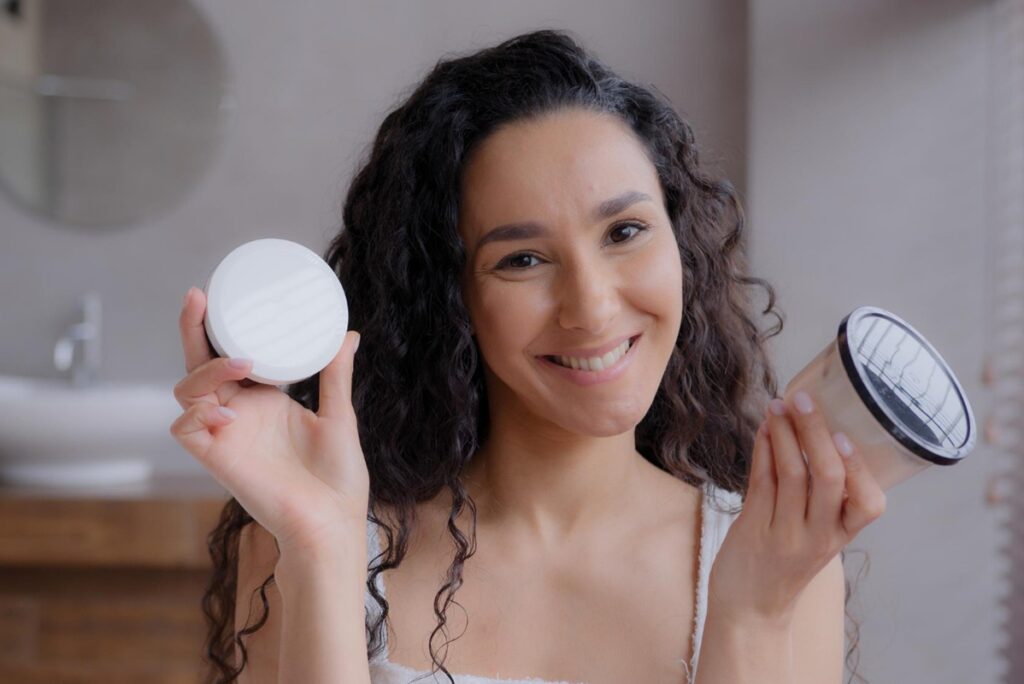
As you enter your thirties, skin changes become more noticeable. There’s less radiance, skin shows more signs of aging, and dryness begins to settle in. Daily collagen intake emerges as a potential solution to slow this process down. Promoted by beauty professionals and found in many dietary supplements, this addition has increasingly become part of beauty routines.
But what does it actually do for the skin? Promises abound, testimonies are plentiful, yet real results are often unclear for those who wonder. Here’s what you can expect when starting a collagen regimen after 30.
Visible Effects of Collagen on the Skin After 30
Initial changes won’t appear overnight. It takes several weeks of daily intake before any noticeable effects manifest. According to certain studies published in dermatology journals, regular consumption of collagen peptides can improve skin elasticity and hydration. These effects are particularly evident in areas of the face where the skin is thin, like around the eyes.
Most individuals who start a regimen notice smoother skin that is less prone to tightness and dryness. The overall texture seems to improve. While it’s not a dramatic transformation, it’s a gradual evolution that brings back some comfort to the skin. In some cases, fine lines may slightly diminish, especially on the cheeks or forehead.
Common feedback includes a feeling that the skin is “more alive,” appearing less dull. While there may not be any dramatic tightening effects, there is a general improvement in skin quality, particularly noticeable upon waking or after prolonged exposure to cold or fatigue.
Why Skin Changes in Your Thirties and How Collagen Works
Beginning in your late twenties, the body starts to produce less collagen. This gradual decline affects the very structure of the dermis. Less collagen means decreased firmness, reduced elasticity, and weakened capacity for regeneration. These phenomena are exacerbated by sun exposure, oxidative stress, and lack of sleep.
Collagen peptides, taken as supplements, are absorbed through the intestine and then transported to the dermis via the bloodstream. There, they send signals to fibroblasts, the cells responsible for producing collagen fibers. This process indirectly stimulates endogenous production, which could explain some of the observed benefits.
The presence of vitamin C in formulations enhances this synthesis. This nutrient plays a key role in stabilizing and assembling the fibers. Therefore, collagen supplements are most effective when the body has the necessary cofactors for transformation.
How to Take Collagen for Maximum Benefits
The most convincing feedback comes from regimens lasting at least two to three months, with uninterrupted daily intake. The form—be it powder, capsule, or drink—doesn’t matter as much as the consistency in consumption.
It’s best to consume collagen away from protein-rich meals. This may limit digestive interactions. Adequate hydration and a healthy lifestyle also amplify the observed effects.
Reports also mention secondary benefits such as stronger nails or improved hair health. However, regarding skin, the most common improvements relate to elasticity, skin tone uniformity, and a comfortable touch. While it’s not a miracle solution, it offers perceptible evolution for those who keep an eye on their skin daily.
FAQ – Essential Information on Collagen
1. At what age should one start taking collagen?
Collagen production begins to decline at 25. Many people start supplementing around age 30, when the first signs of sagging or diminished radiance become apparent.
2. What visible effects does collagen have on the skin?
With regular intake, some report more supple skin, better hydration, a more uniform complexion, and less pronounced fine lines. Results vary based on age, lifestyle, and consistency.
3. How long does it take to see collagen’s effects?
Most feedback indicates noticeable changes after 6 to 12 weeks of daily intake. Results are gradual rather than immediate.
4. Should collagen be combined with other nutrients?
Yes, vitamin C is crucial for promoting collagen synthesis in the body. Zinc, copper, and hyaluronic acid can also enhance its efficacy.
5. Can collagen be taken continuously?
There are no known contraindications for long-term use, but many opt for 3-month renewals based on individual needs and observed results.
Photo credit: Instagram @kiaralindeborg