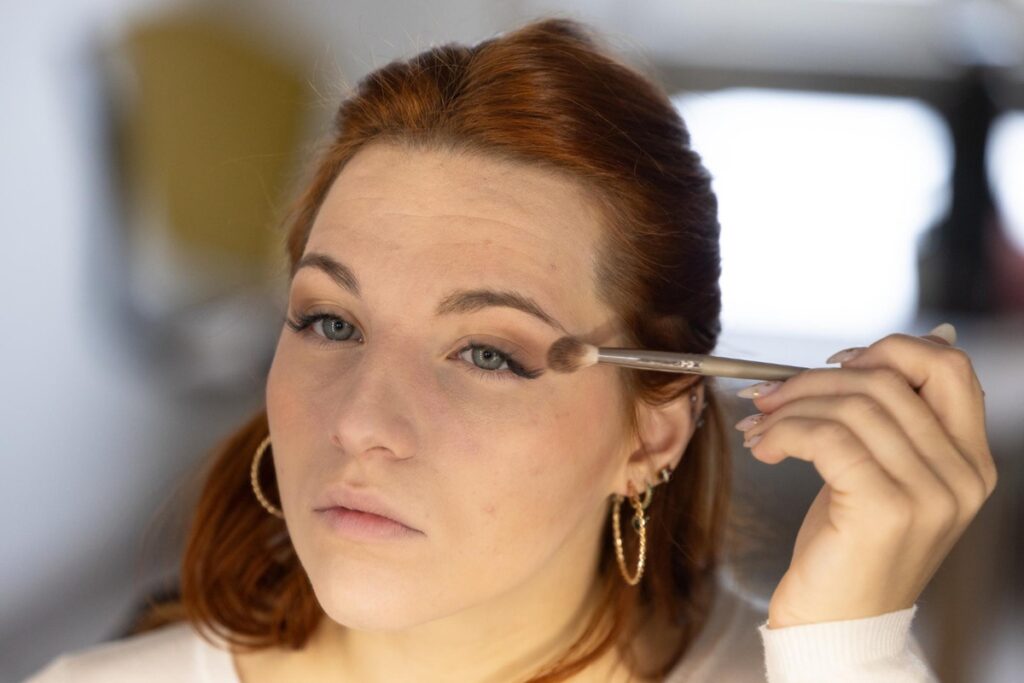
Avoiding the “droopy” eyelid effect is entirely possible. Here are 3 expert tips to follow.
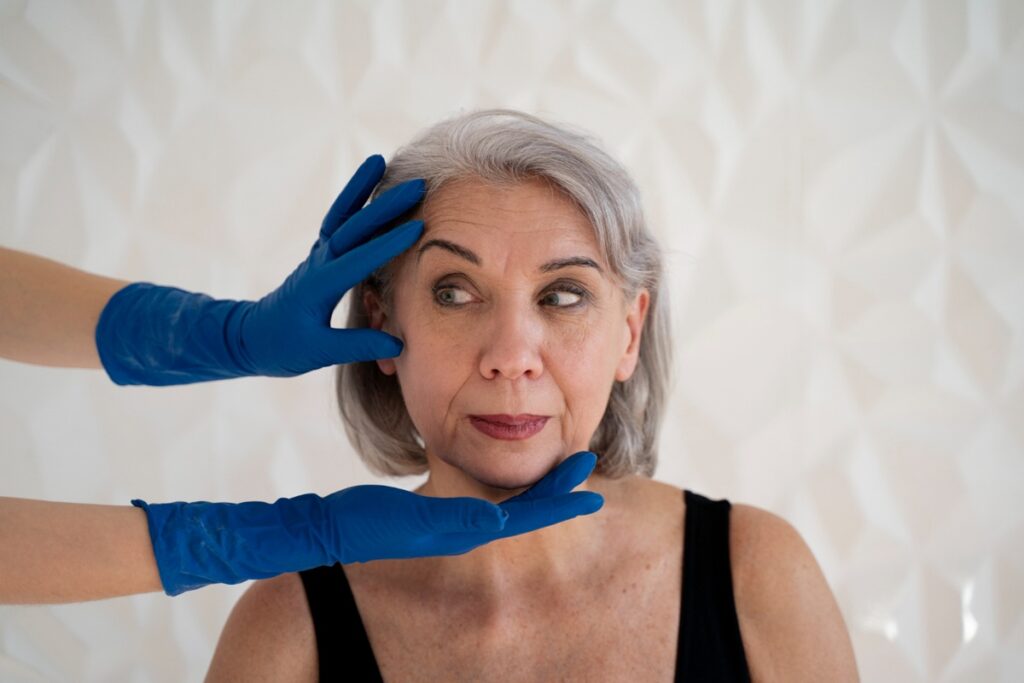
As we age, our skin changes, and the makeup we used when we were younger doesn’t always suit our features anymore. After 40, many women notice that their eyelids start to lose firmness and begin to sag, which can make applying eye makeup more challenging.
This isn’t a “problem”, just a natural sign of aging, and it’s absolutely possible to adapt by changing your application technique.
Makeup artist Erica Taylor shared her advice on how to avoid common eyeshadow mistakes that emphasize drooping lids.
Here’s how to achieve a more flattering, natural look that suits your age.
1. Don’t apply white or very light eyeshadow all over the lid
One of the most common mistakes women make after 40 is applying white or very light eyeshadow across the entire eyelid.
While this might seem like a good way to brighten the eyes, it can actually have the opposite effect. Applying too much of a light shade across the lid can create a flat, one-dimensional look.
Erica Taylor explains that white or pale shades across the lid can highlight shadows and loss of firmness around the eyes, making drooping eyelids look more pronounced.
These colors tend to reflect light in an unflattering way, emphasizing wrinkles and folds. “This will make the eyes look puffier and more swollen,” she says.
What to do instead: Opt for more neutral or lightly shimmery tones like golden beige or soft peach. These will brighten your eyes without weighing down the lid. Apply the lighter color only to the inner corner of the eye to bring light to the look.
2. Don’t apply taupe in the crease
Taupe is often used to define the crease, but Erica Taylor warns against using it too routinely, especially after 40. While taupe can work well for younger women, it becomes tricky when the eyelids begin to sag.
Applying taupe in the crease can deepen the eye socket too much, highlighting the droop and drawing attention to fine lines.
“The crease is no longer where it used to be,” she notes. A dark or taupe shade applied too deeply or heavily in the crease can create unwanted shadows that emphasize aging features.
What to do instead: Instead of following the natural crease, create a new one slightly above the fold to lift and open the eyes. Use soft browns or warm tones that define the area while adding depth without emphasizing sagging lids.
3. Don’t draw a sharp V at the outer corners
The outer “V” technique has long been a popular method to define the eyes, but Erica Taylor points out that it can accentuate drooping lids, especially after 40.
Drawing a V shape can make the eyes look harsh and pulled down, highlighting wrinkles and sagging. This kind of eye contouring can weigh down the look and create an overly angular shape.
What to do instead: replace the sharp V with a soft, blended “C” shape at the outer corner. This creates the illusion of a lifted eye and softens the features while subtly defining the gaze.
For added softness, go for cream or matte eyeshadows in natural tones. Alternatively, use a darker shade and angle it slightly outward at the eye’s outer corner, avoiding a harsh V shape.
Blend the color inward to avoid sharp lines. This will create a more open and lifted look. 🙂